
Write for CostObserver - Guest Blog Submissions
Share your Cloud Cost Optimization and SecFinOps expertise with our community. Submit a guest post to CostObserver Blog.
1st Feb 2026
Insights on SecFinOps, cloud costs, and AWS optimization

Share your Cloud Cost Optimization and SecFinOps expertise with our community. Submit a guest post to CostObserver Blog.
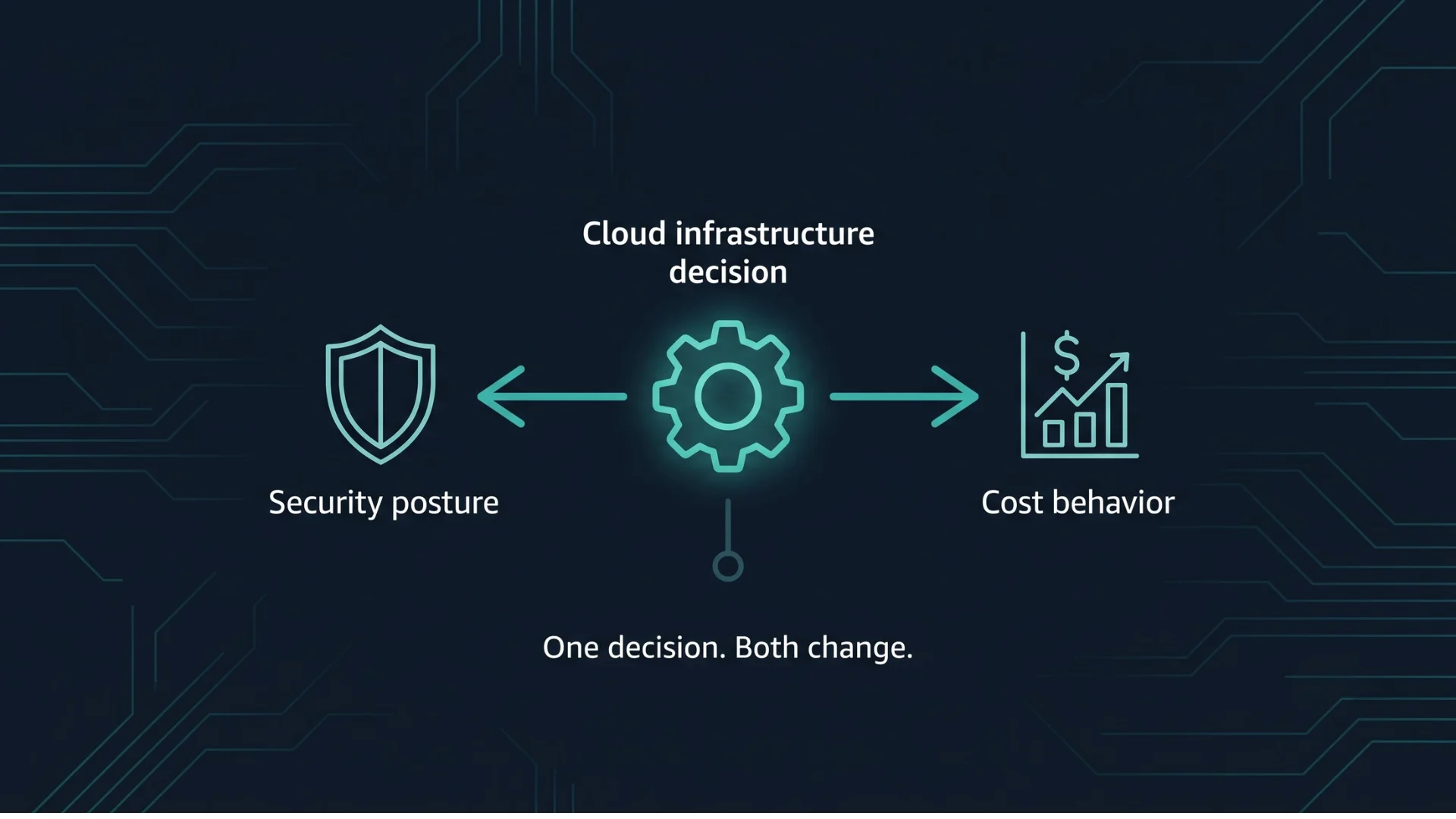
SecFinOps does not start with a dashboard or a category definition. It starts the moment one cloud decision changes both financial behavior and security posture at the same time.
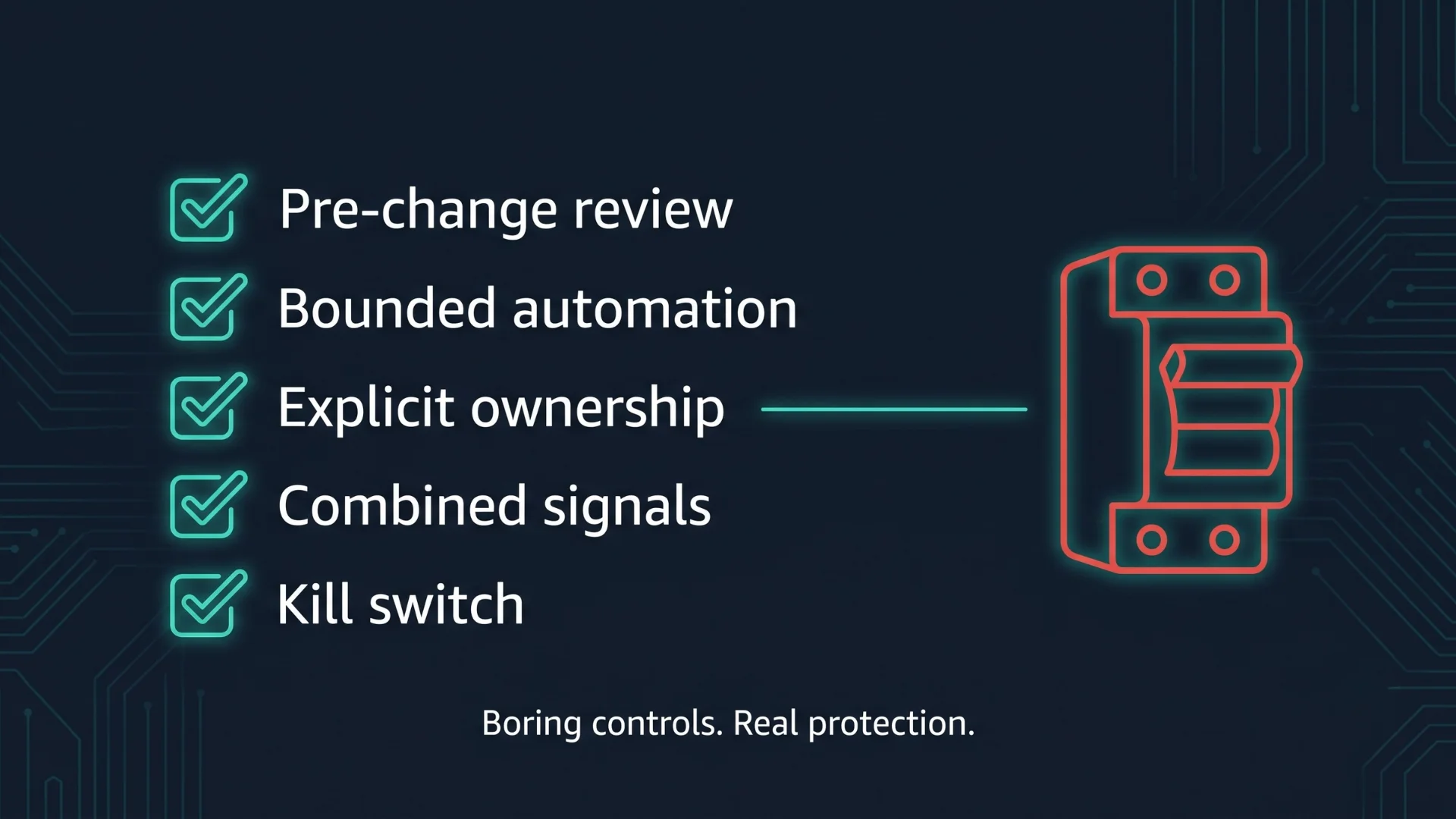
Good SecFinOps is not a dashboard and not a weekly cost meeting. It is an operating model with bounded automation, pre-change reviews, explicit ownership, and fast combined-signal response.
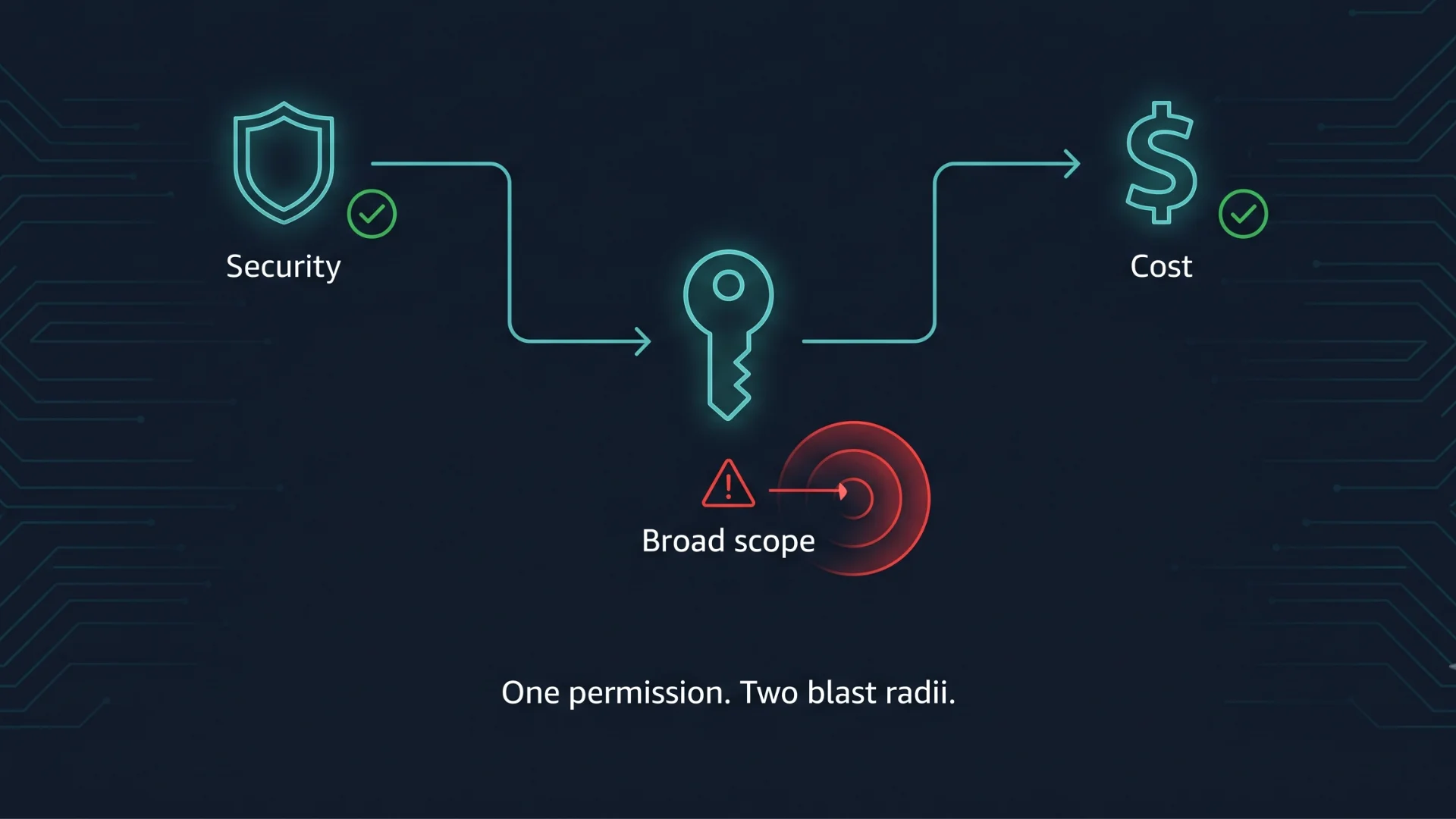
Least privilege is usually sold as blast-radius reduction after compromise. In cloud systems, it also prevents financially dangerous actions from being possible in the first place.
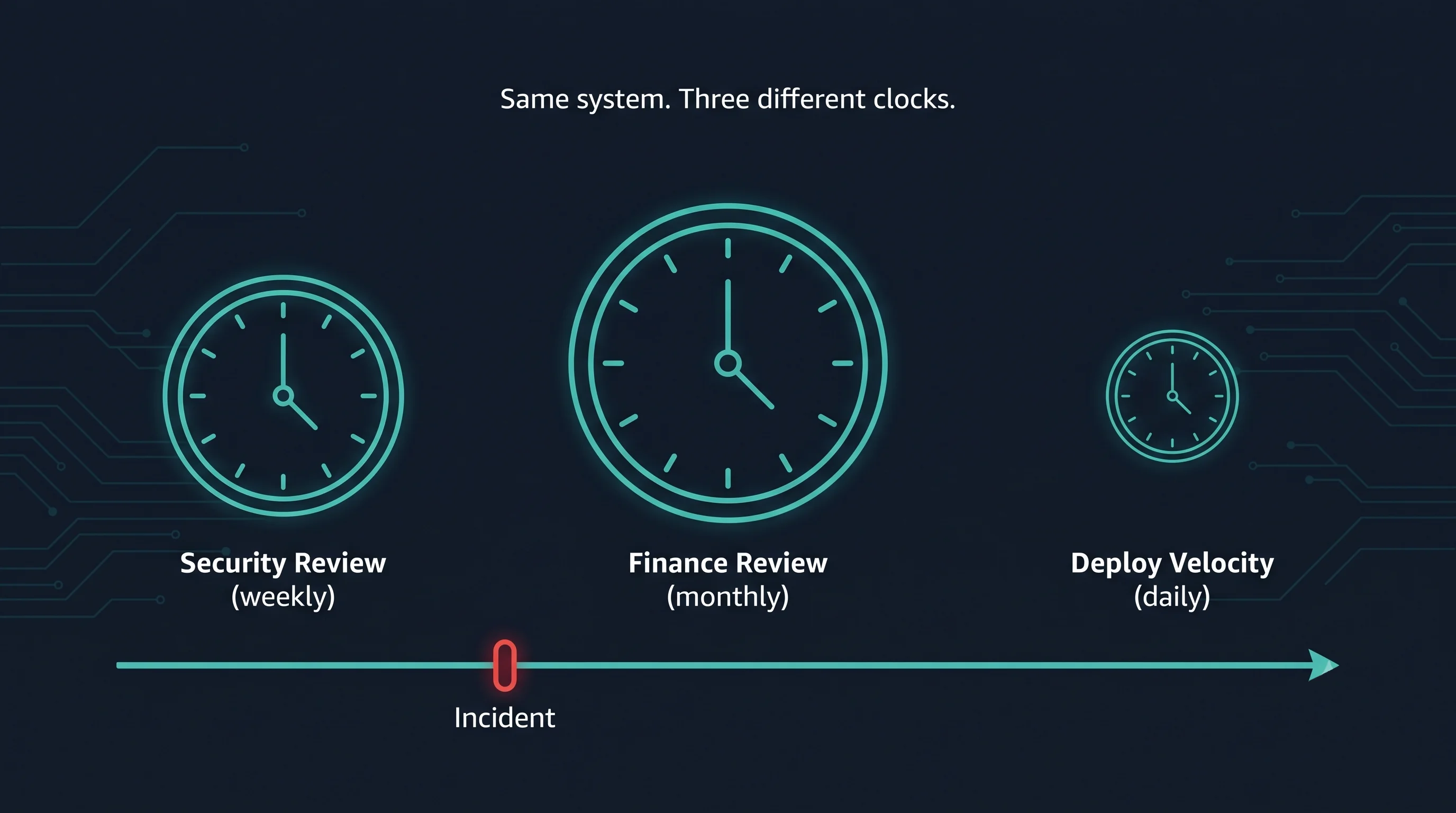
Mature teams rarely fail because they lack dashboards or technical skill. They fail because cost, security, and change decisions run on different clocks, in different tools, under different incentives.
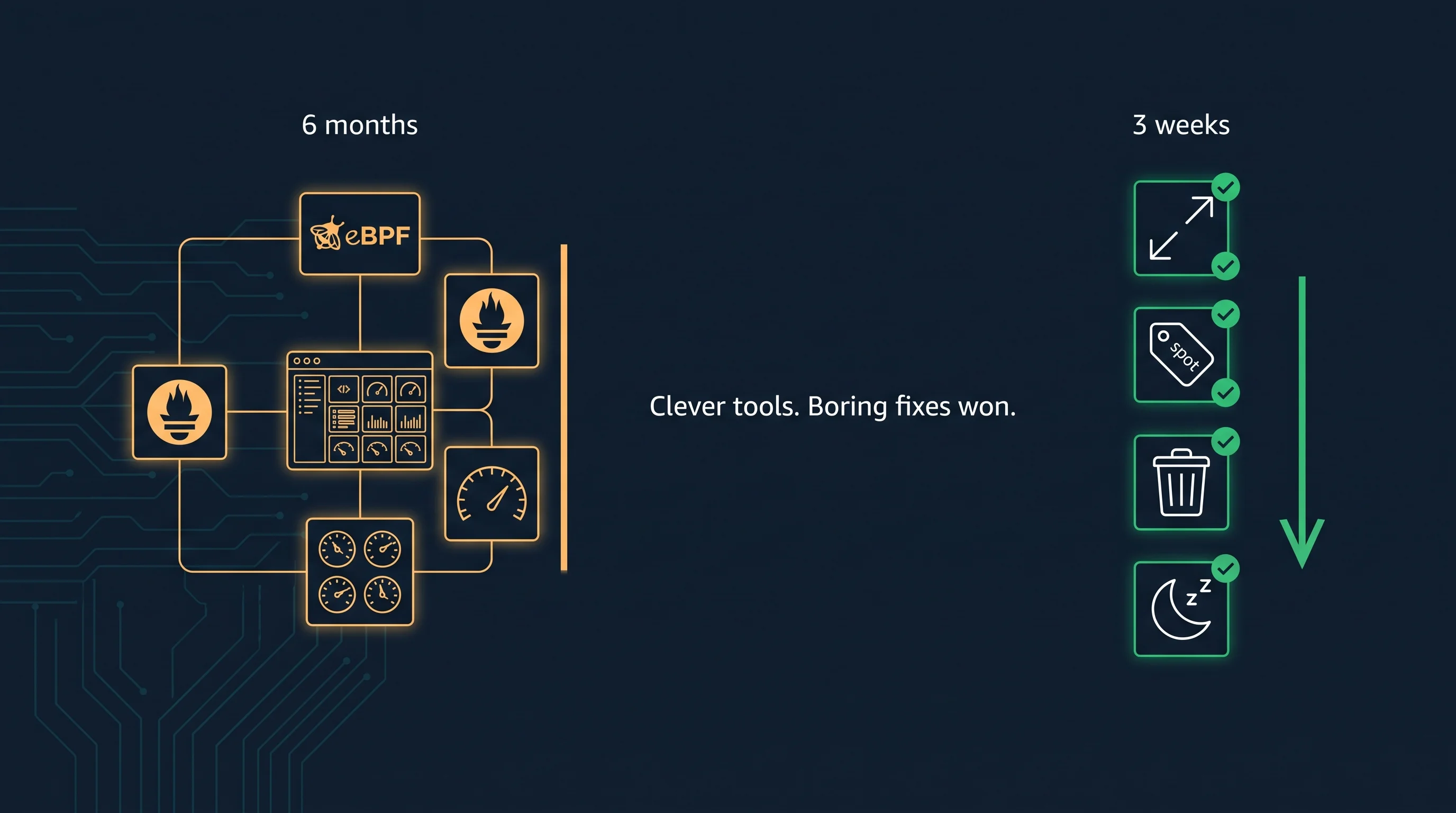
Teams love optimization work that feels advanced. The highest-return fixes are usually the least glamorous: right-sizing, cleanup, shutdown schedules, and deleting what nobody should have kept.
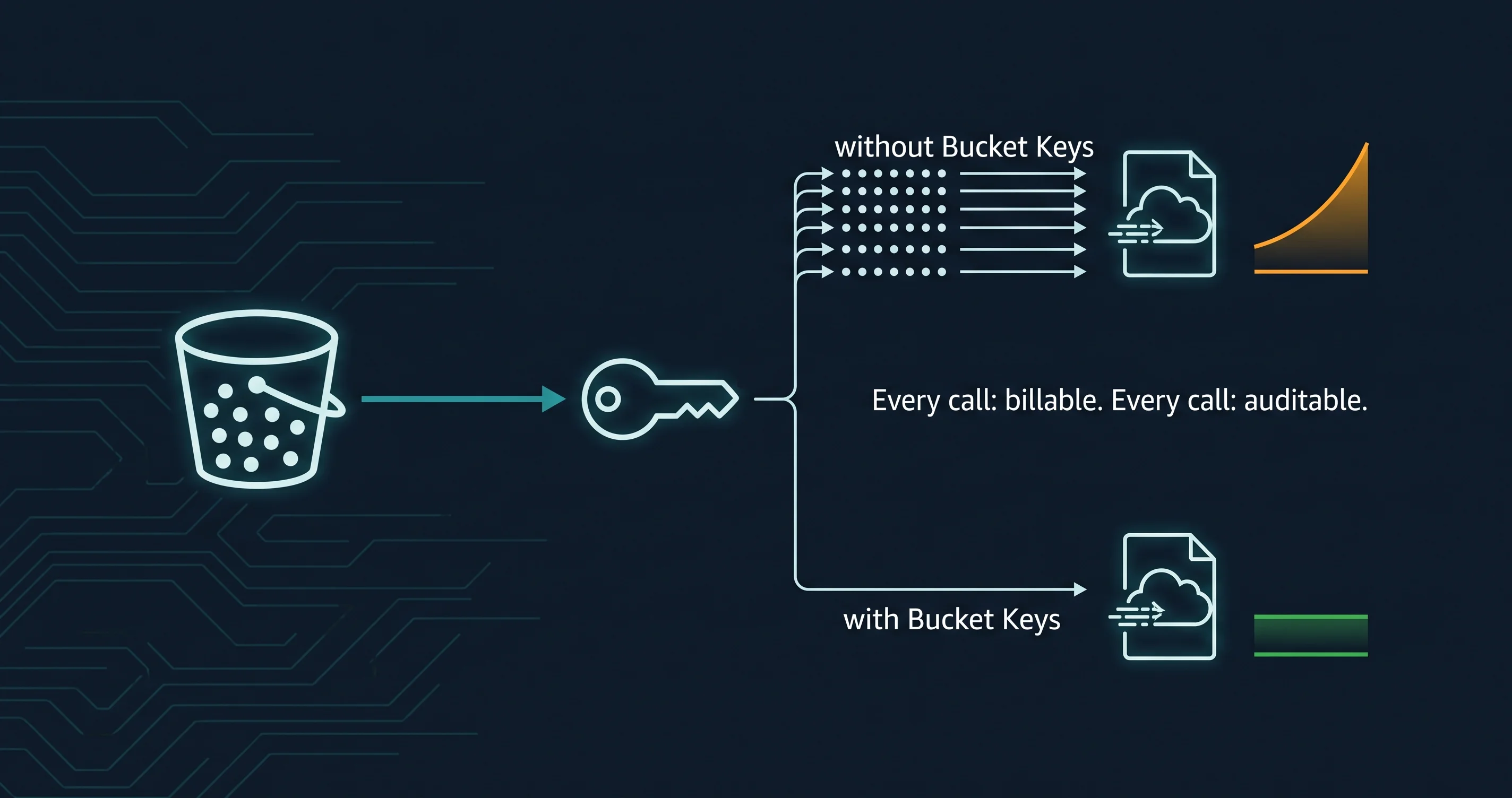
When KMS charges spike during S3 re-encryption, the surprise is not only financial. It means the team started an encryption change without understanding the governance, audit, and call-volume implications first.
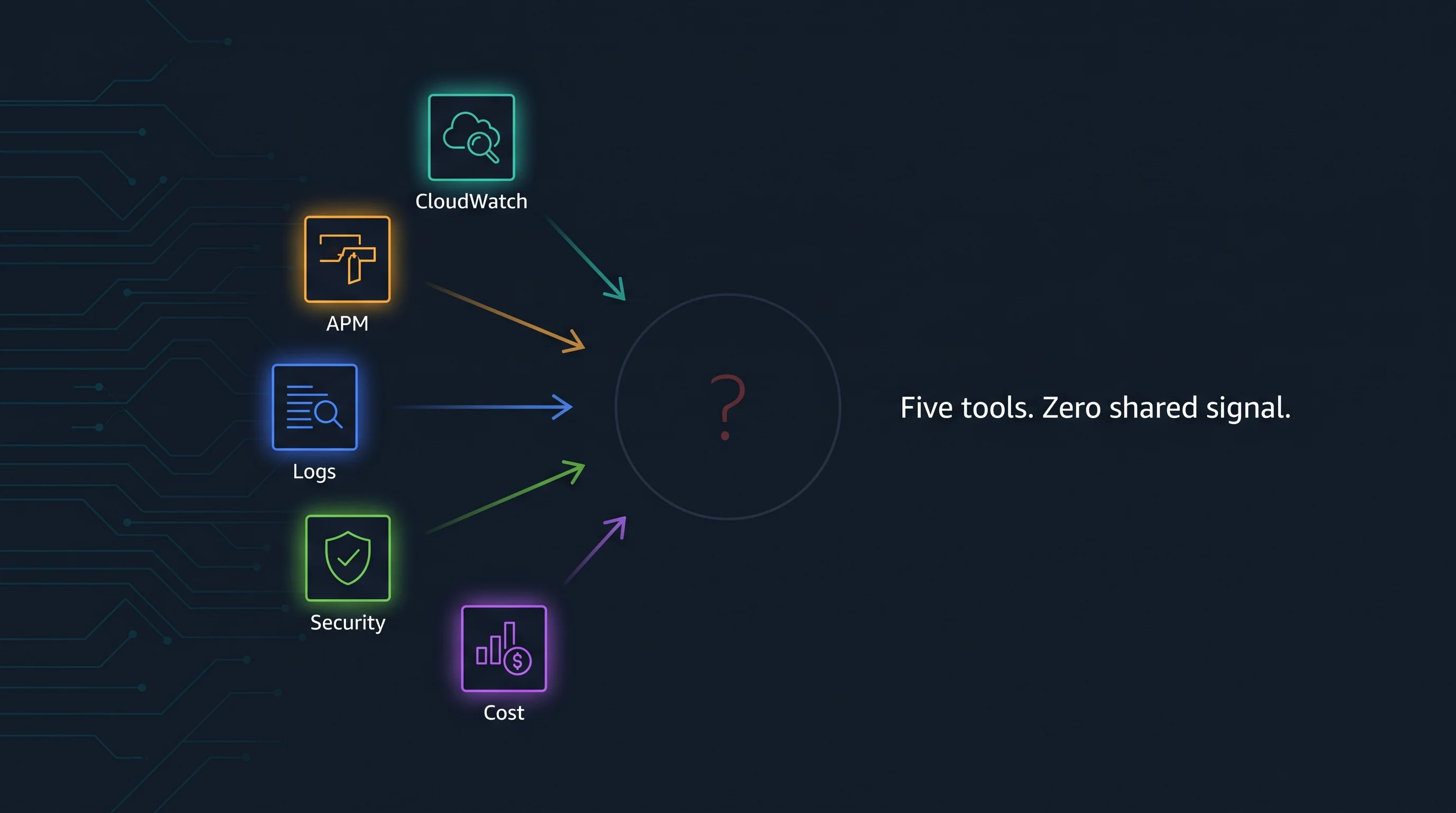
Five monitoring tools do not create five times the visibility when nobody owns the combined signal. They create fragmented alerts, duplicated spend, and missed incidents.
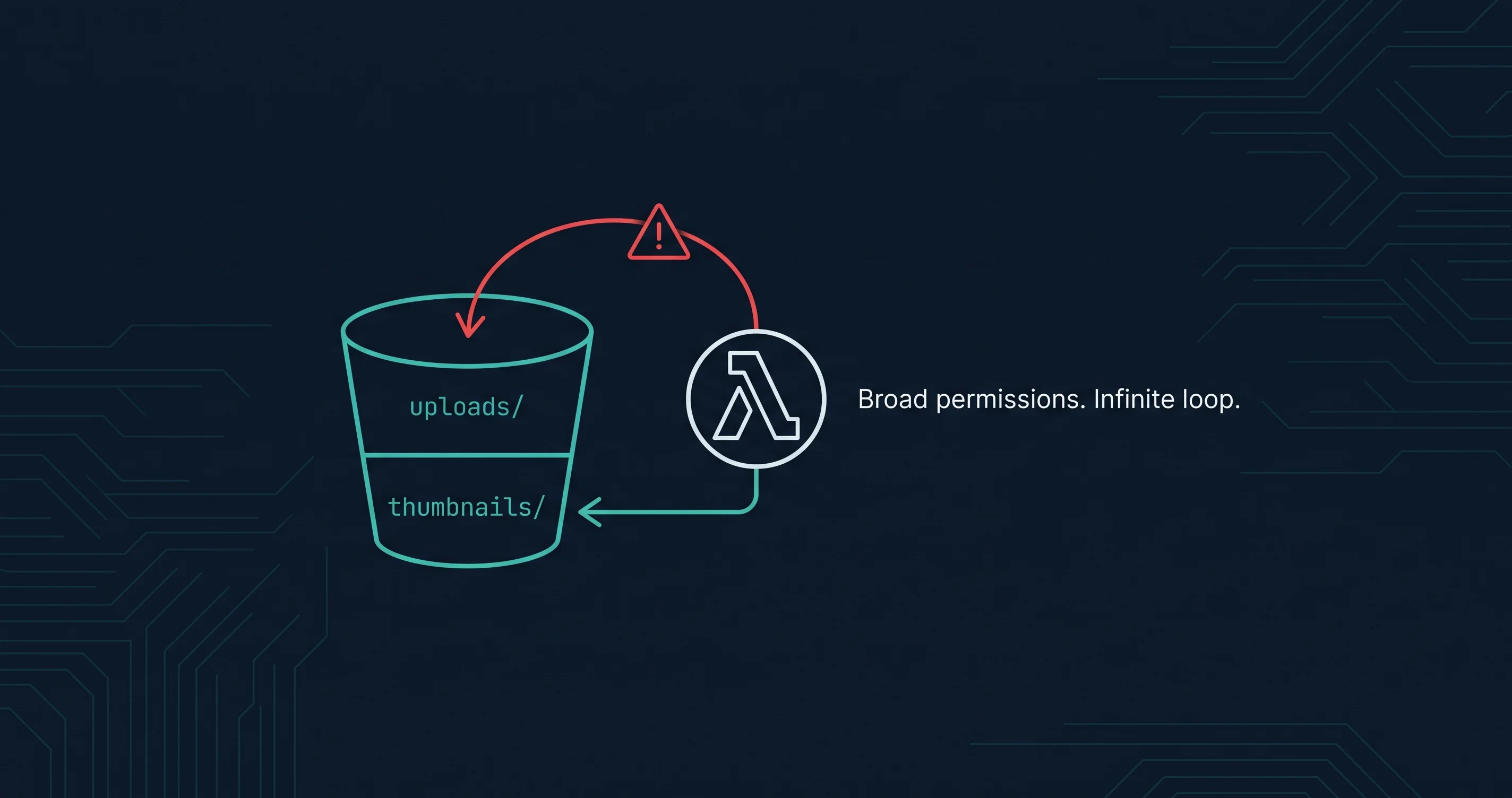
A runaway thumbnail loop is usually framed as a missing S3 prefix. The deeper failure is permission design that allowed the function to trigger on its own output in the first place.
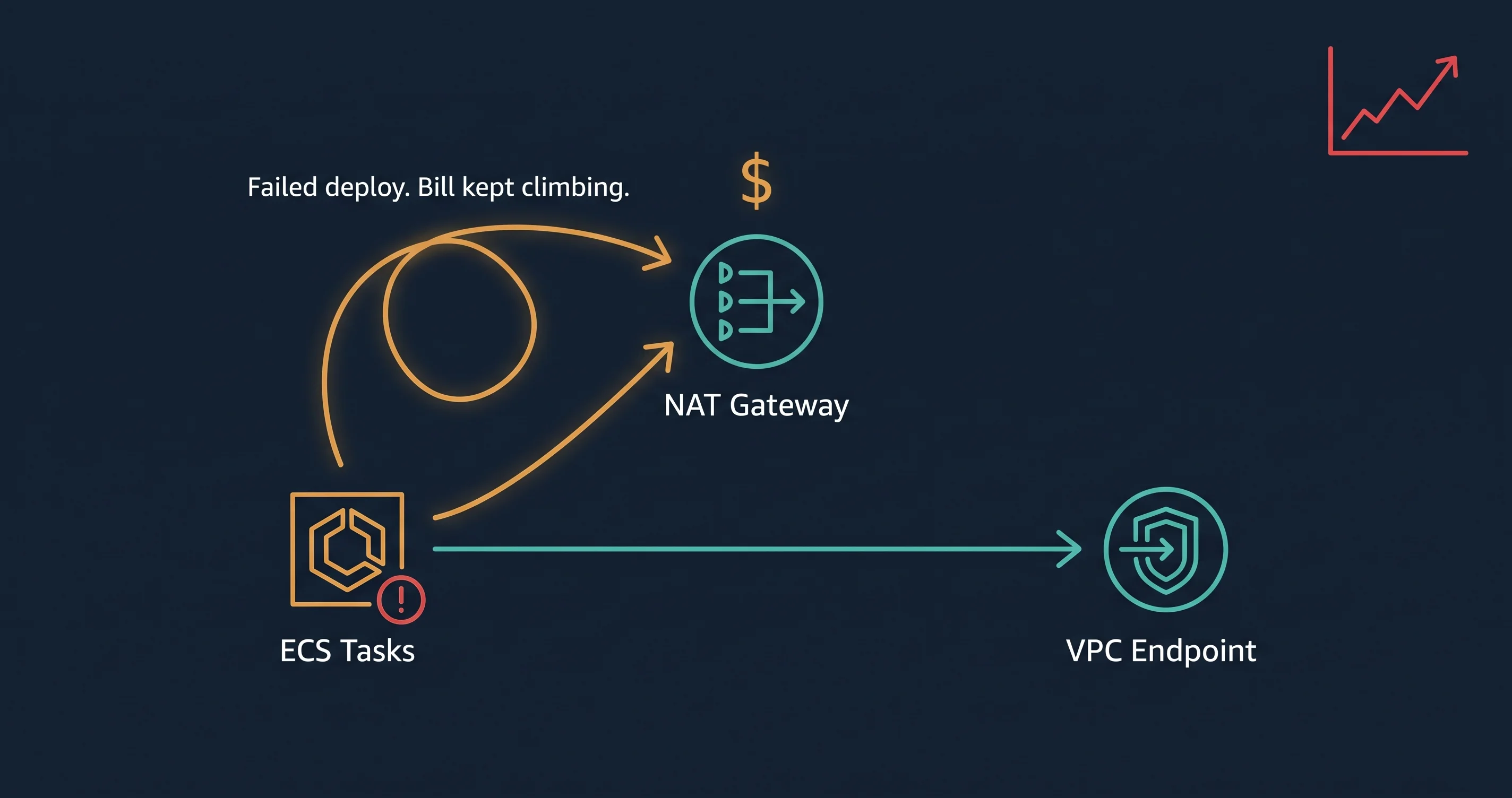
When ECS keeps retrying unhealthy deployments over the wrong network path, the bill becomes your first observability signal. The real problem is not NAT Gateway pricing. It is unmanaged data paths.
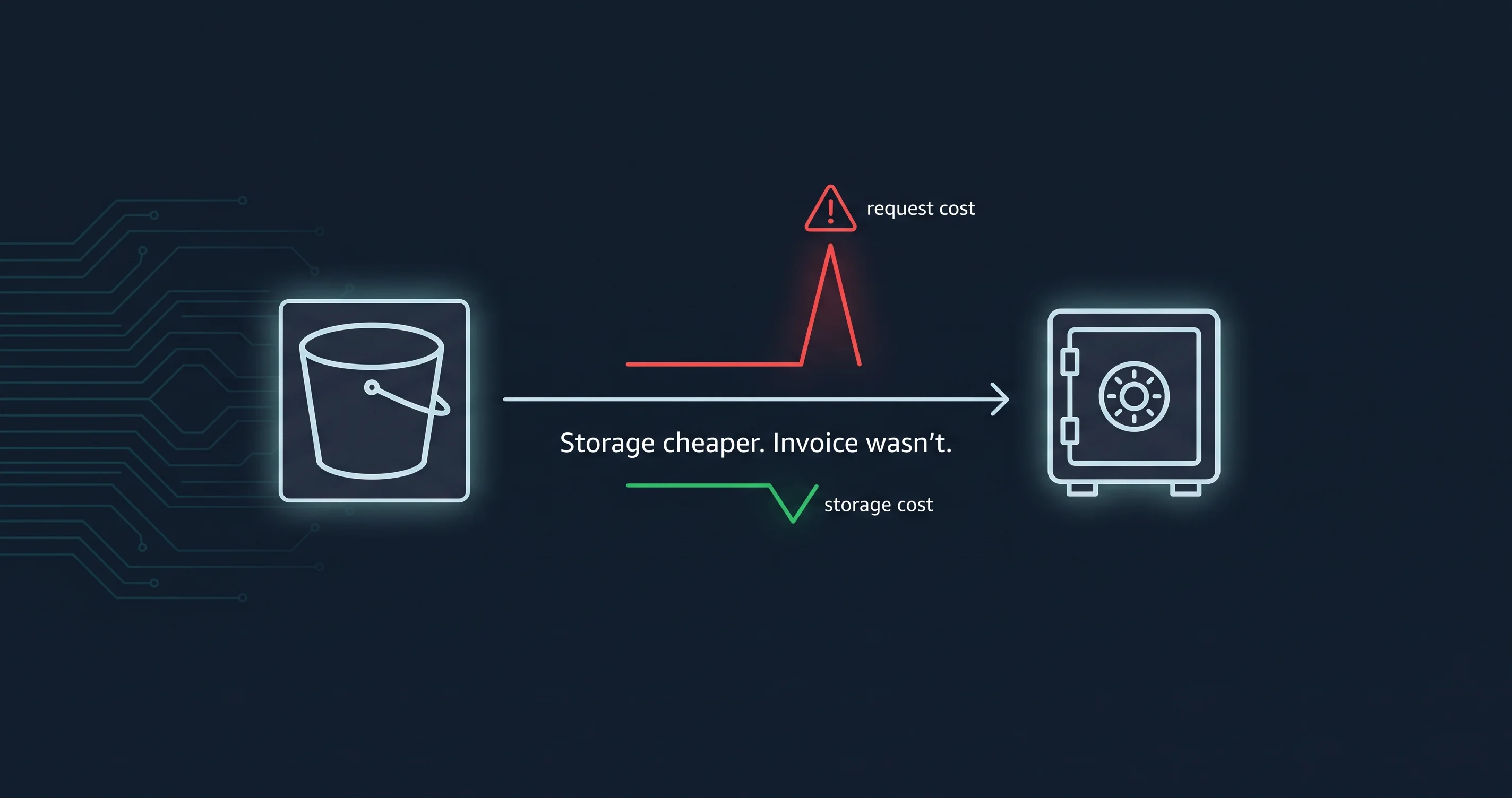
A lifecycle rule is supposed to lower storage cost. On a bucket with billions of tiny files, it can do the opposite. The deeper lesson is about change authority, not storage tiers.
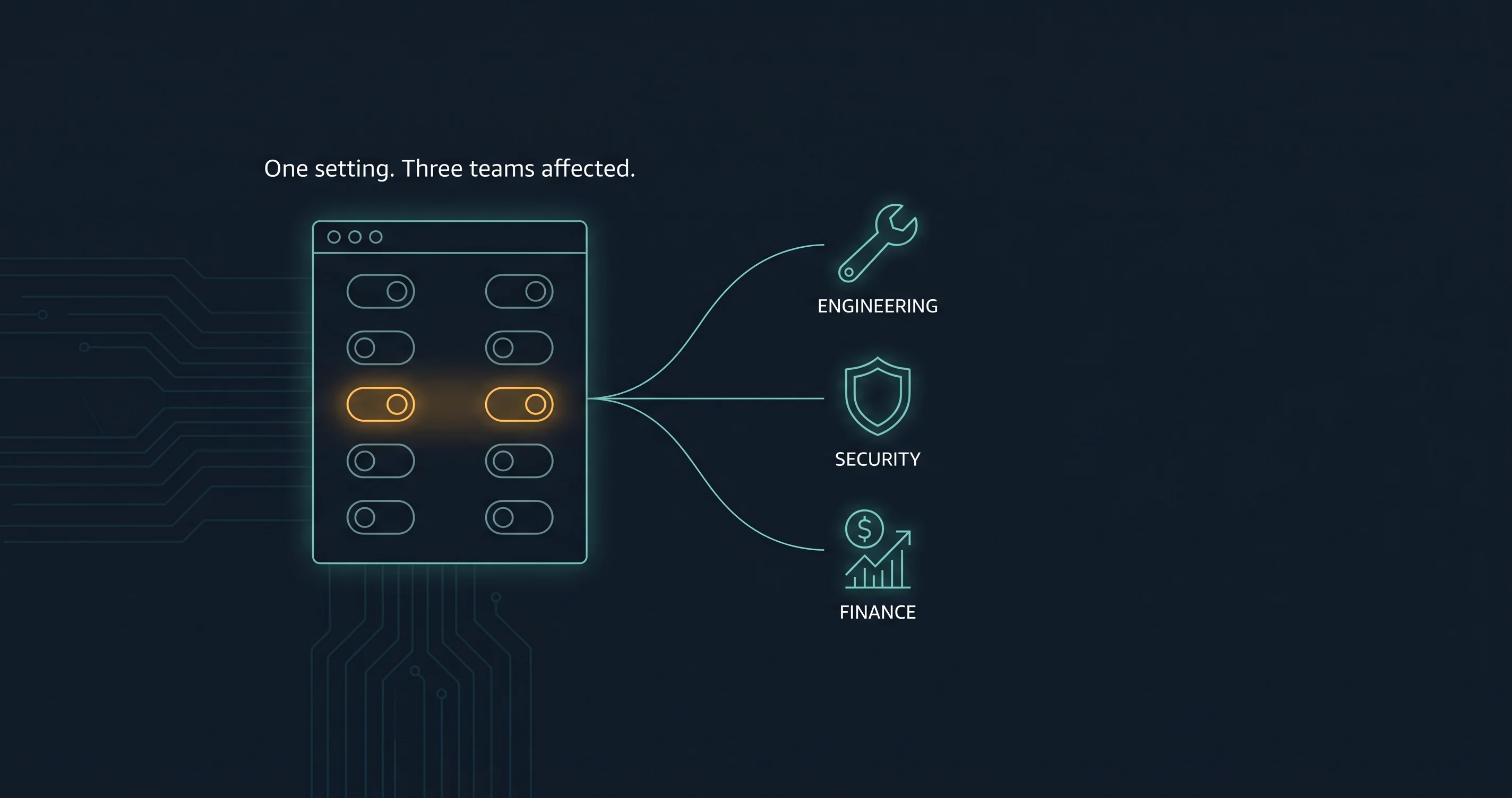
The most expensive cloud incidents often begin with a small configuration change nobody owns economically. The drift is technical. The failure is organizational.
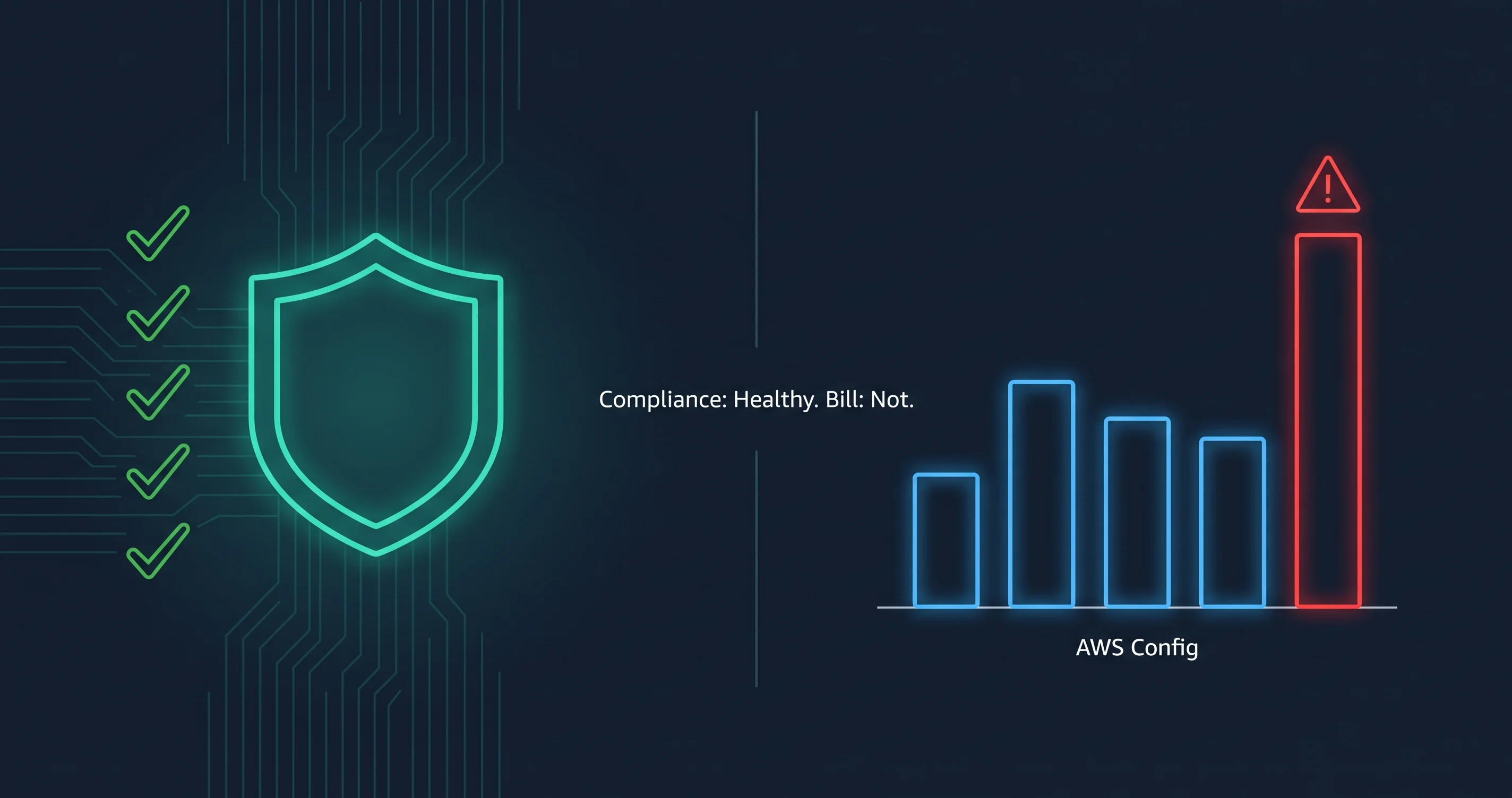
A security control that looks healthy can still be economically broken. AWS Config is not the problem. Unscoped control design is.
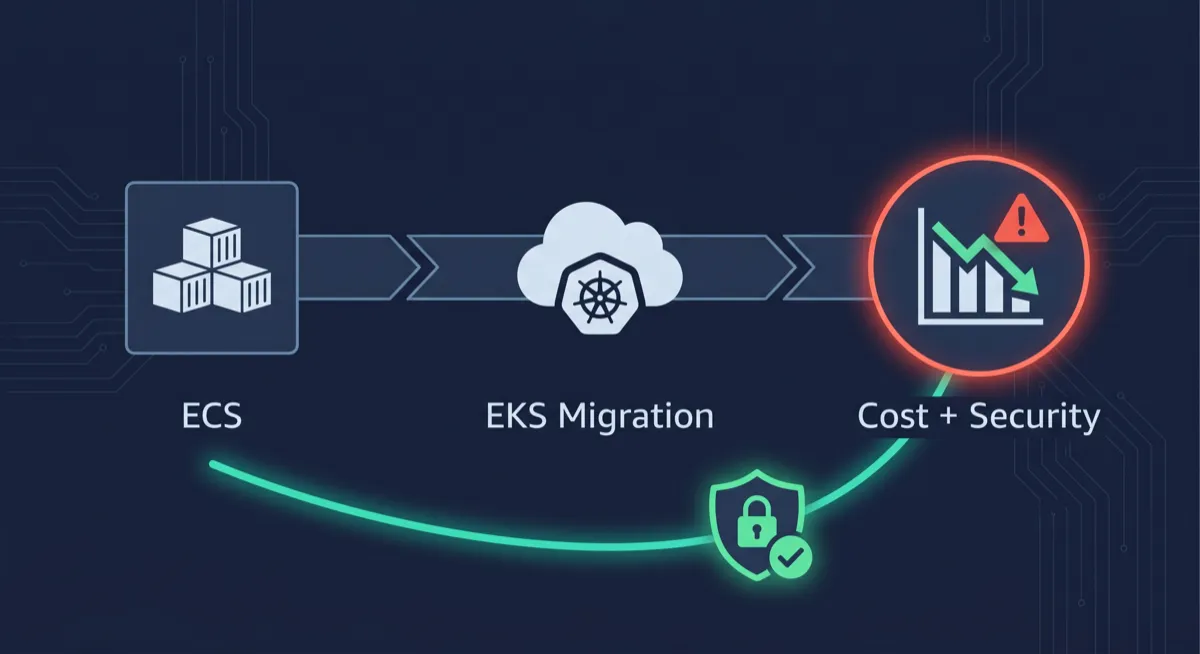
Migrating from ECS to EKS is one of the most effective ways to cut AWS costs. Bin-packing, Spot instances, smarter autoscaling. The savings are real. But every architectural decision that reduced your bill also changed your security posture. Most teams measure one and ignore the other.

Security tools are built to measure blast radius. Your cloud bill measures burn rate. When an automated script is hijacking your compute, those are not the same number. Here is why your triage model is optimised for the wrong signal.

Most AWS tagging strategies are built for cost allocation. They answer who owns this resource and what does it cost. They do not answer whether it is safe to optimise, delete, or resize. Here is the tagging model that serves both teams.

When the cloud bill is both a cost problem and a security problem, who actually owns it? The answer is not FinOps. It is not SecOps. It is you.
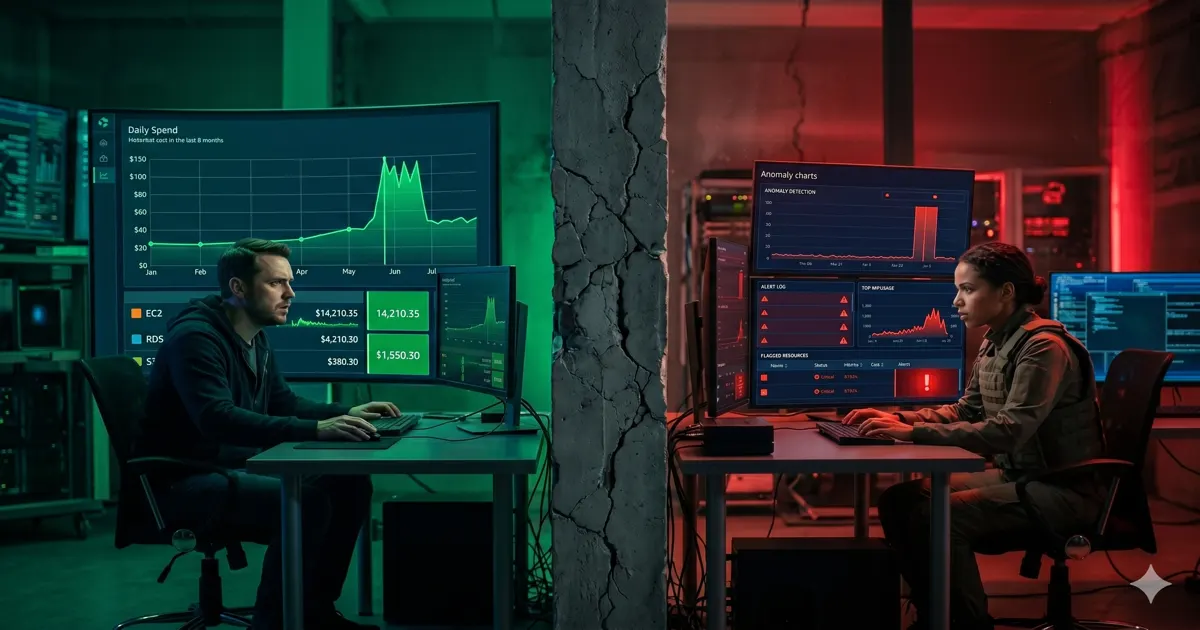
Two teams. Two dashboards. Two investigations of the same incident. The real cost of keeping FinOps and SecOps separate is not the tools. It is the time, the mistakes, and the compliance violations hiding in the gap between them.
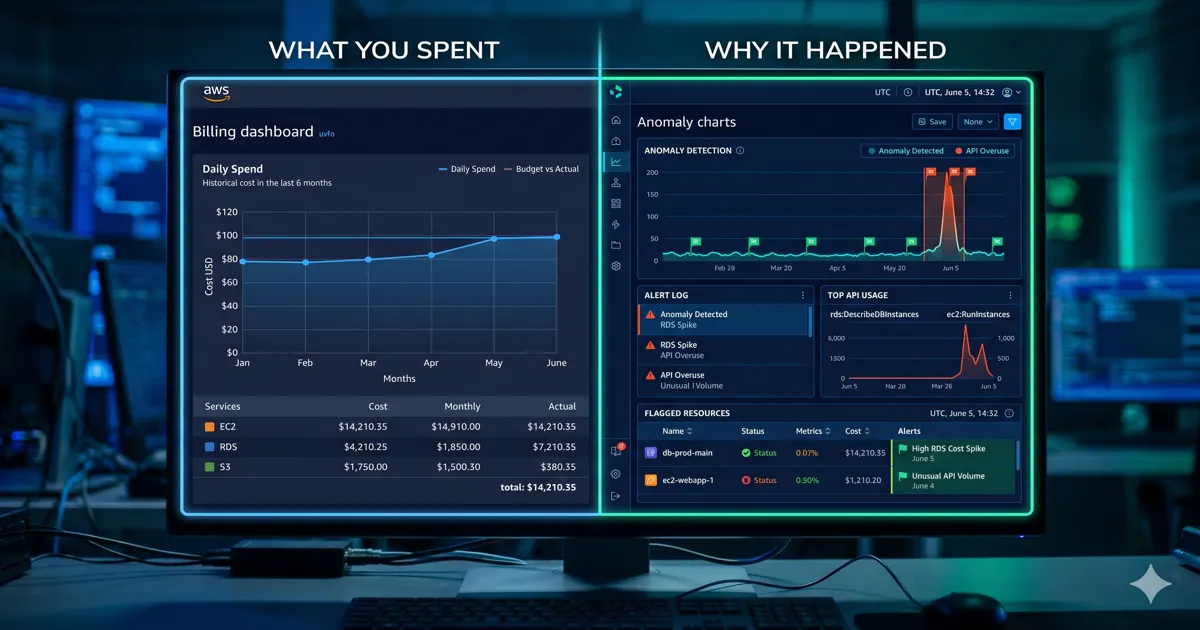
Cost Explorer tells you what you spent. It cannot tell you whether the IAM role iterating through assume-role calls is a deployment script or an enumeration attack. That distinction is where incidents compound.
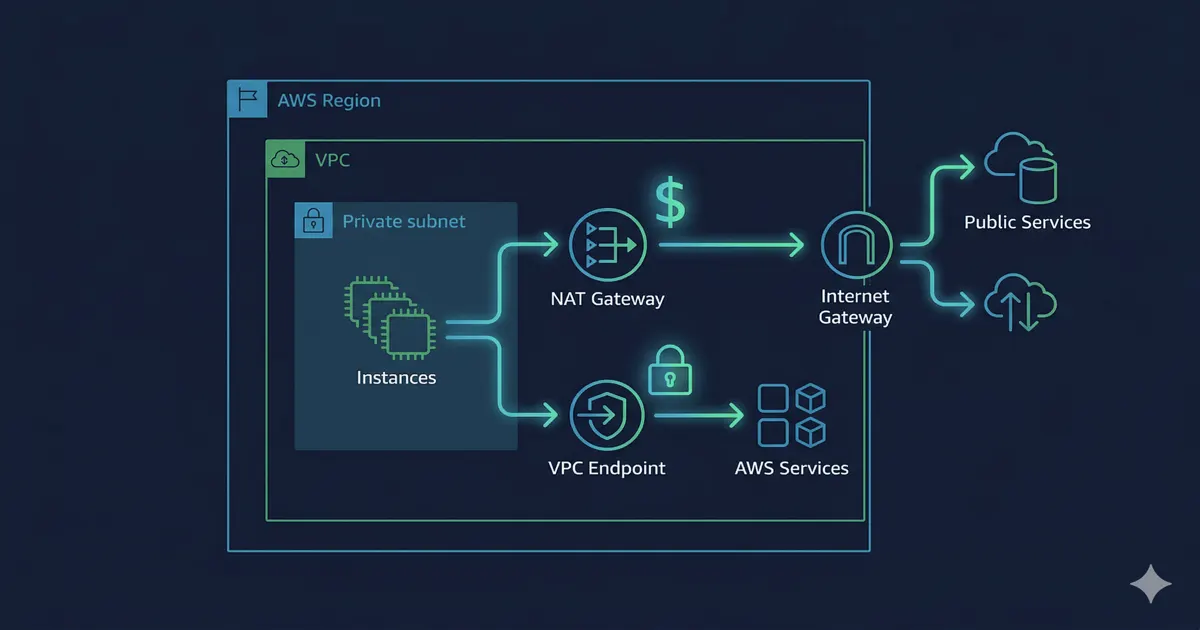
In private-subnet architectures running ECS or EKS, NAT Gateway data processing charges quietly exceed EC2 costs. The fix is not a new tool. It is a data path decision you probably never made explicitly.
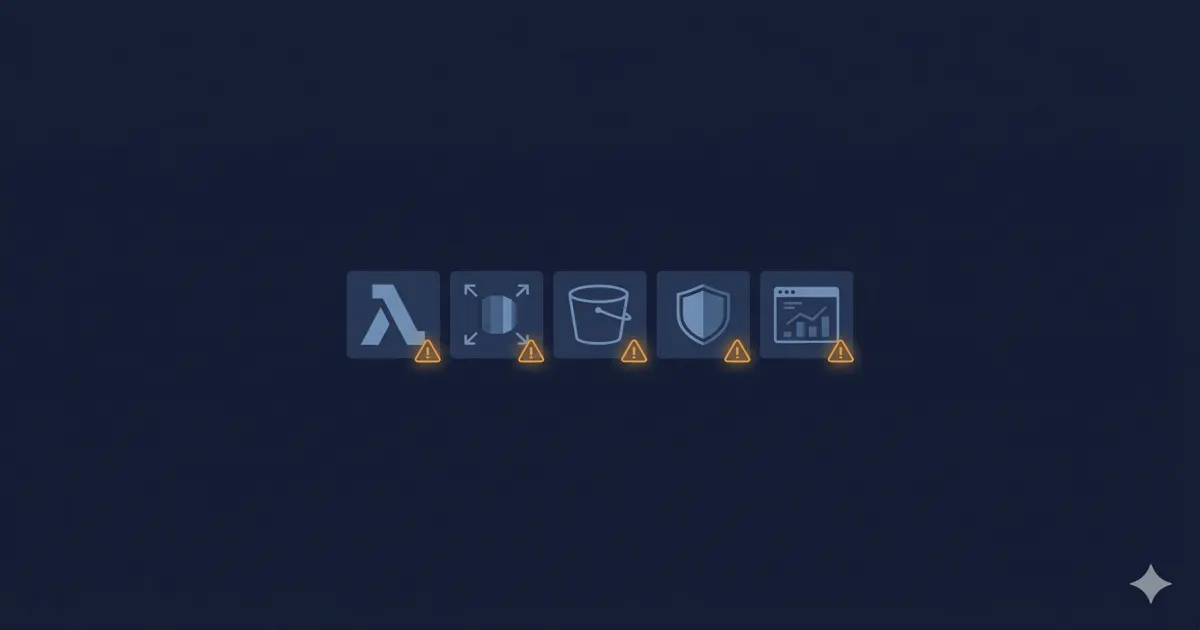
Each of these five misconfigurations has a cost symptom and a security implication. Most teams fix the bill and never ask the security question behind it.
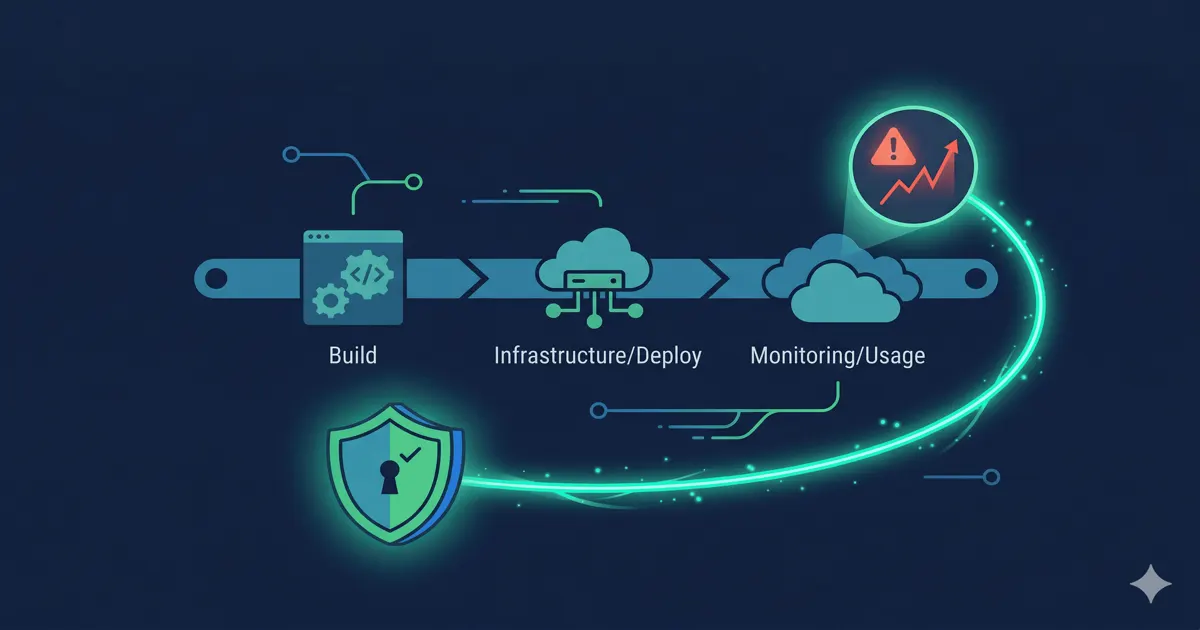
AWS Cost Anomaly Detection is not just a billing tool. Configured correctly, it is an early warning system for compromised credentials, runaway functions, and infrastructure abuse.
The first sign of a compromised AWS credential is almost never a security alert. It is a line item in your billing console that nobody routes to the security team.
You are paying for every malicious request that hits your infrastructure. Your billing console just calls it normal spend. Here is exactly where the hidden tax lives.
Your team has too many alerts. But the real problem is not the volume. It is that severity alone is not enough context to know which ones actually matter right now.
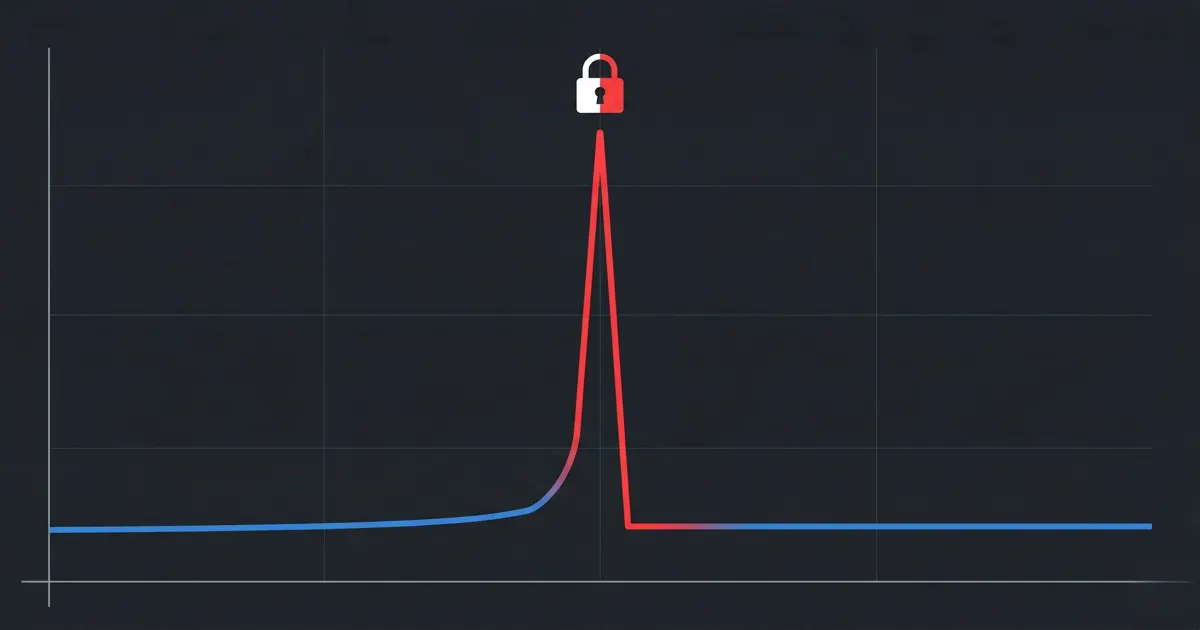
That cost spike last Tuesday? It probably was not your dev team spinning up extra instances. Here is what your billing dashboard is not showing you.

Your FinOps team looks at the bill. Your SecOps team looks at the alerts. Neither team is reading the same story. Here is why that gap exists and what it is costing you.